
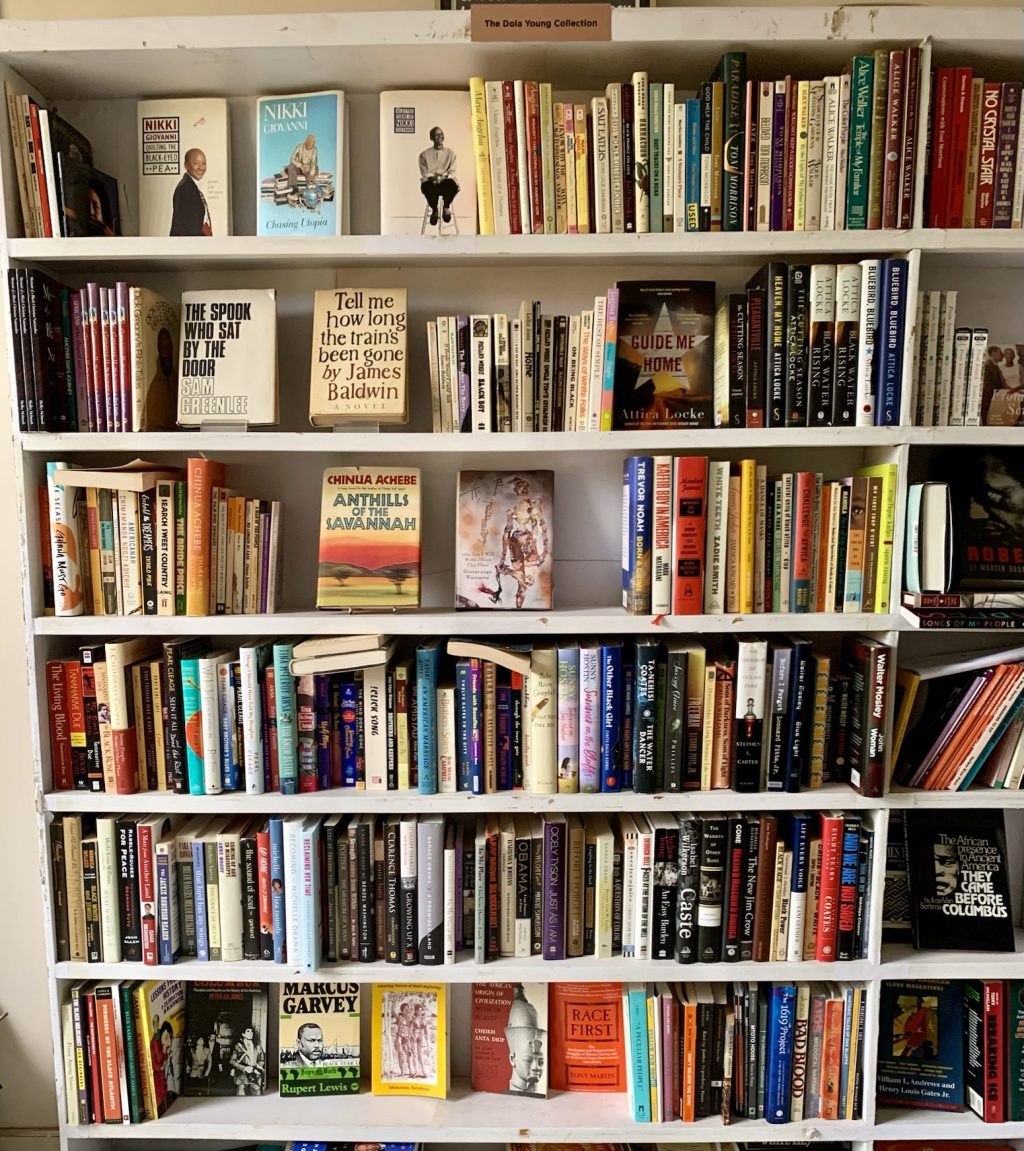
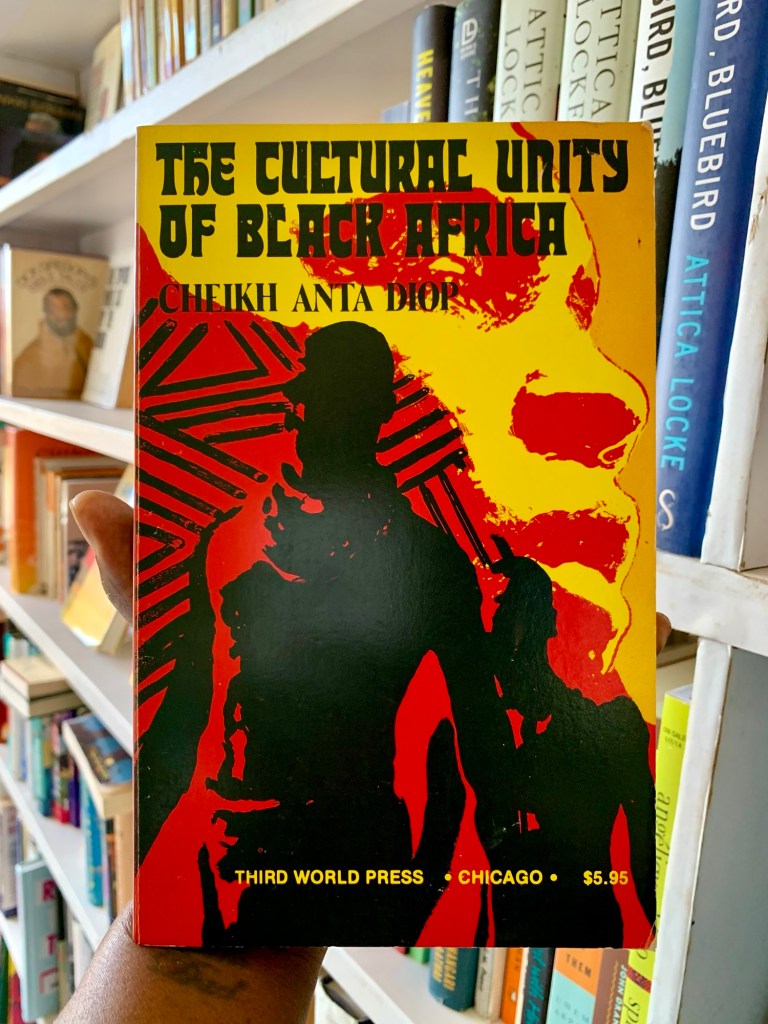
The Library Of Africa and The African Diaspora (LOATAD) is delighted to announce the acquisition of a significant new collection, The Dola Young Collection.
Comprising approximately 250 books collected over the course of her lifetime, including rare, signed, and out-of-print titles, the collection spans the gamut of African American life in the 20th century and more.
The collection was shipped to Ghana from the United States thanks to a generous donation from author and health and wellness expert, Ms Sherra Aguirre, a long-time friend of Ms Young’s.
Ms Young paid a brief visit to the library during a trip to Ghana in 2024 and was so impressed with what she saw that she stayed in touch with LOATAD Manager Seth Avusuglo.
Wanting to ensure that her books would be well-loved and looked after, Ms Young committed to donating her prized collection to the library, and in 2025, she made it happen.
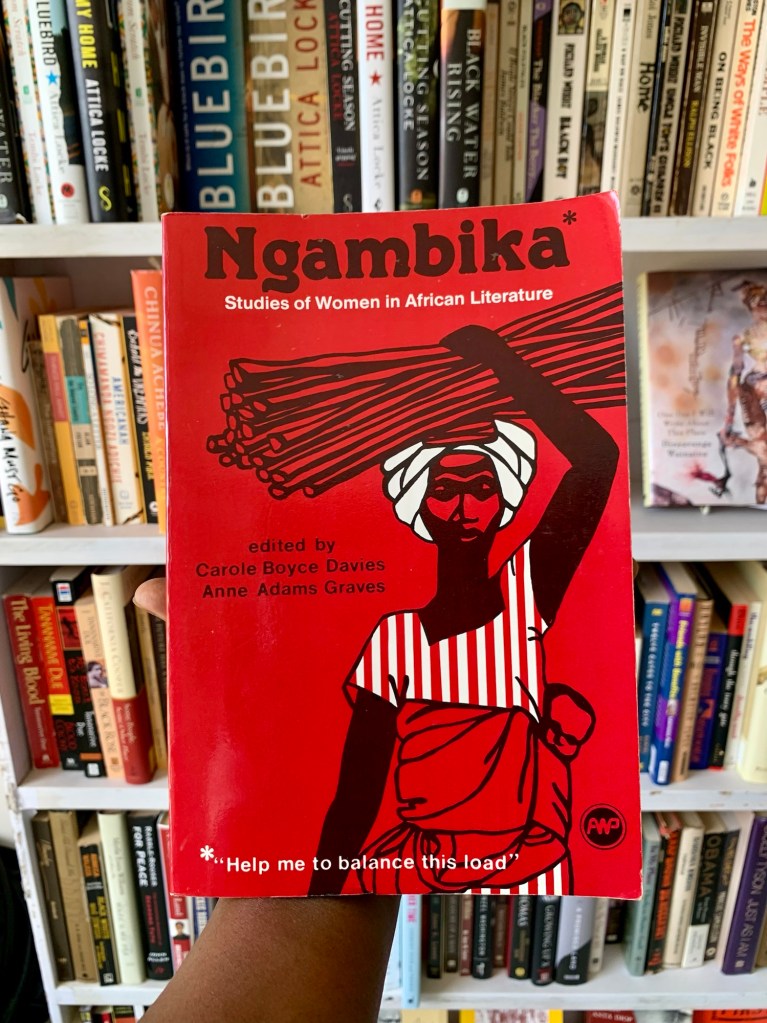
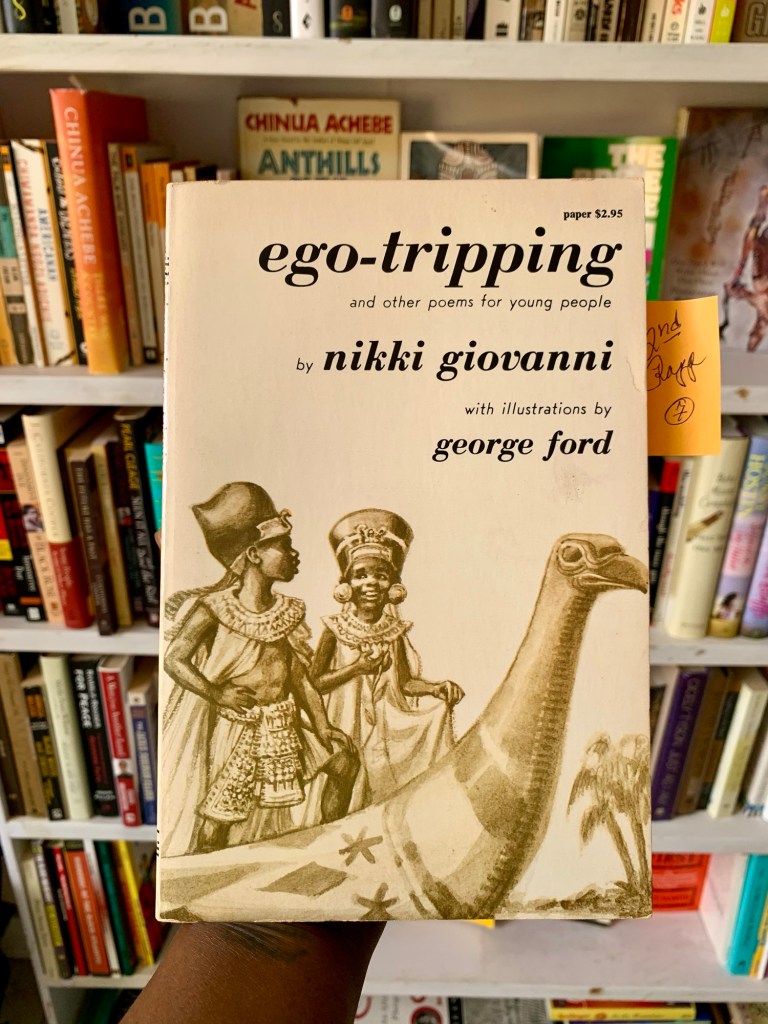
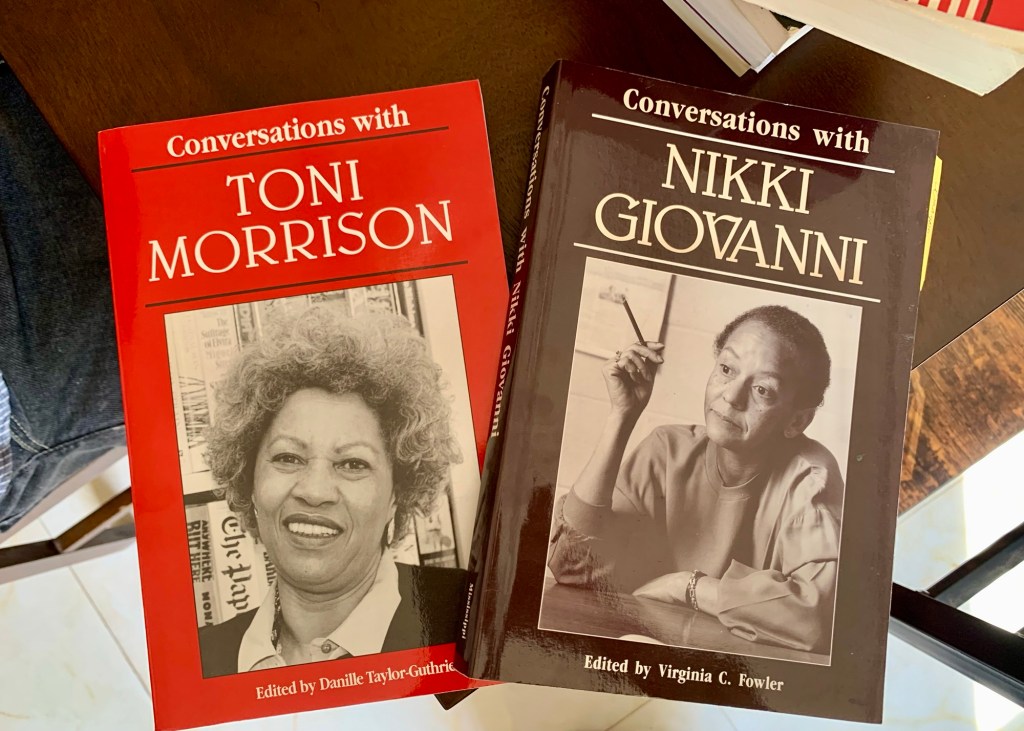
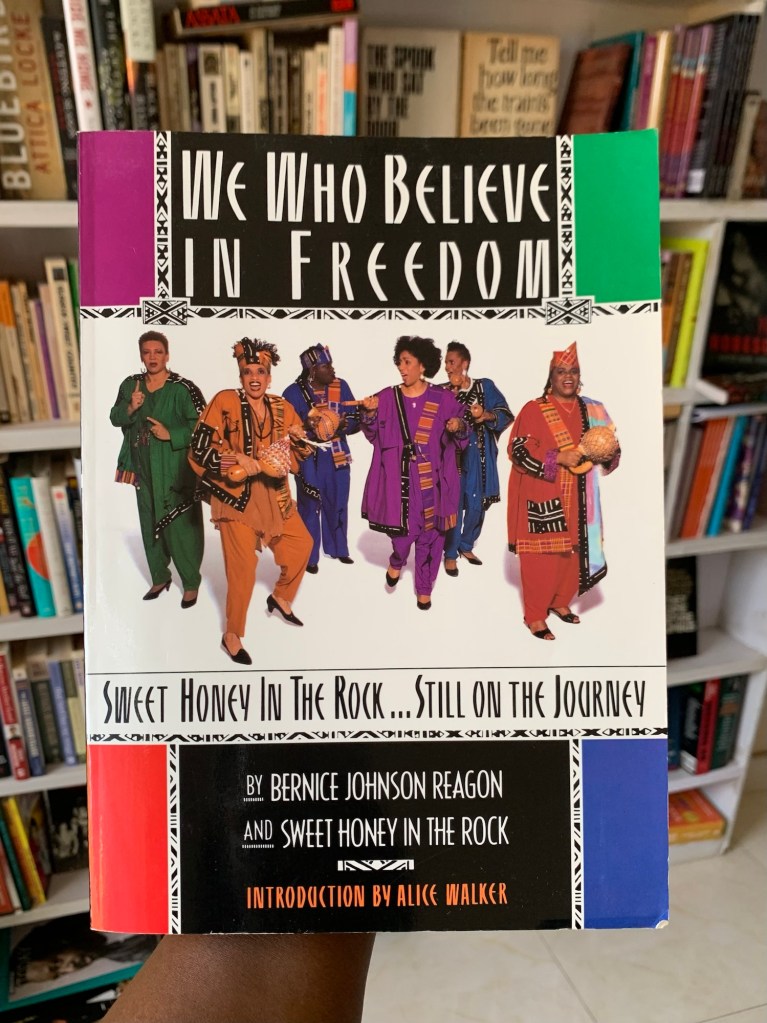
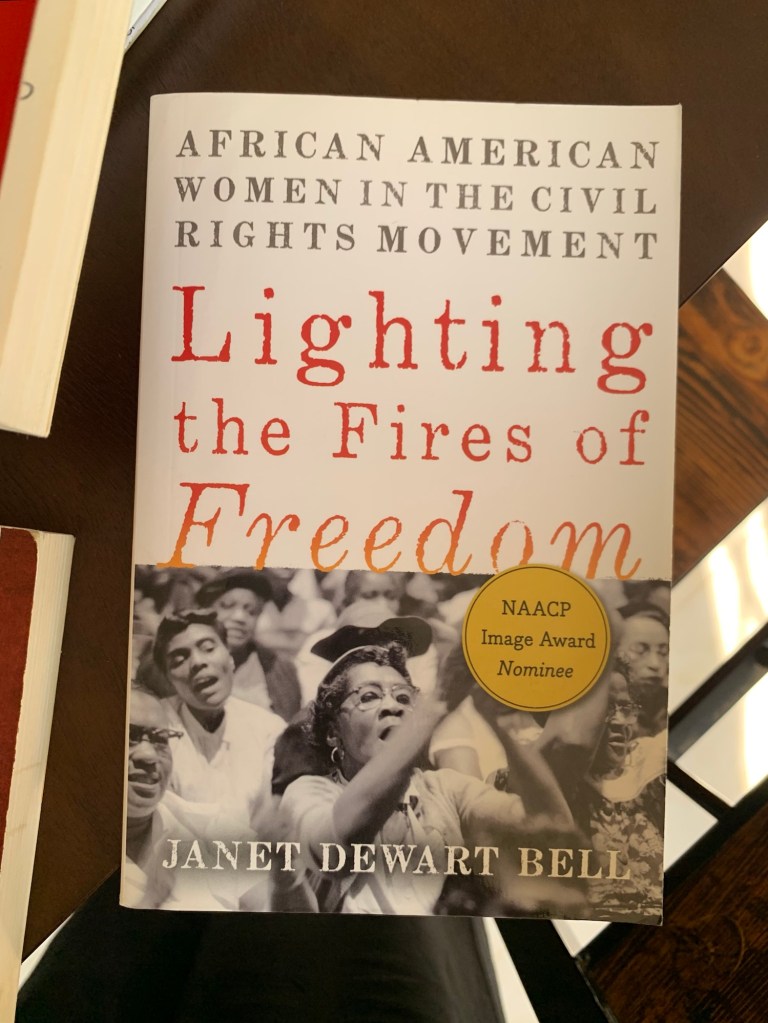
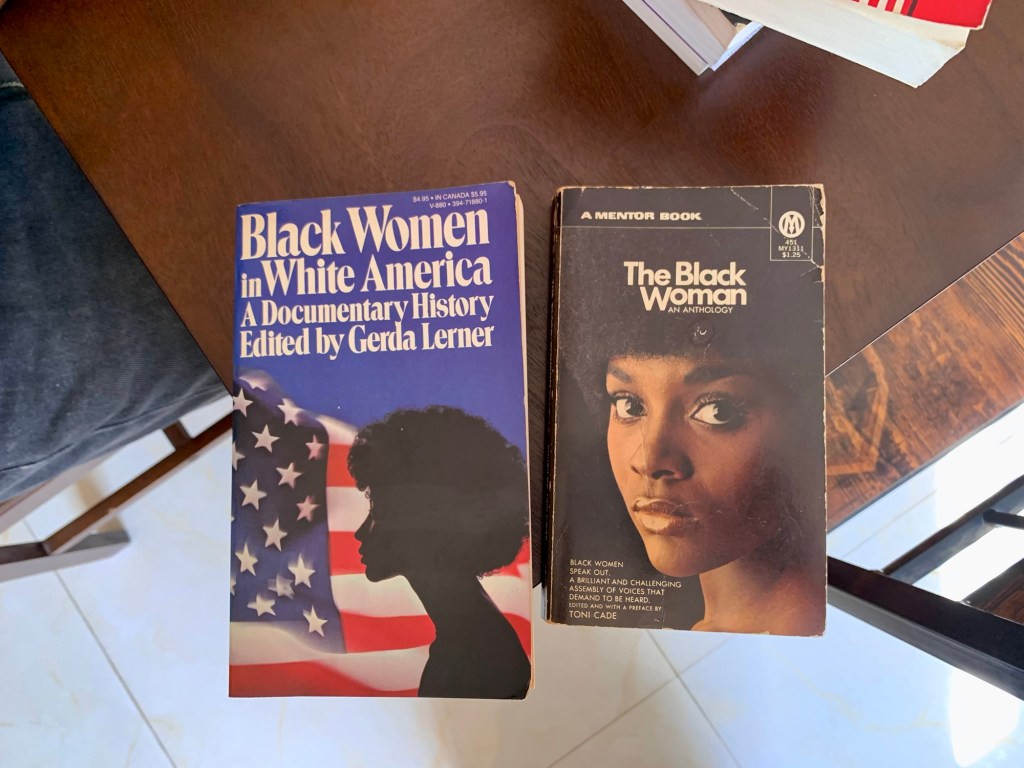
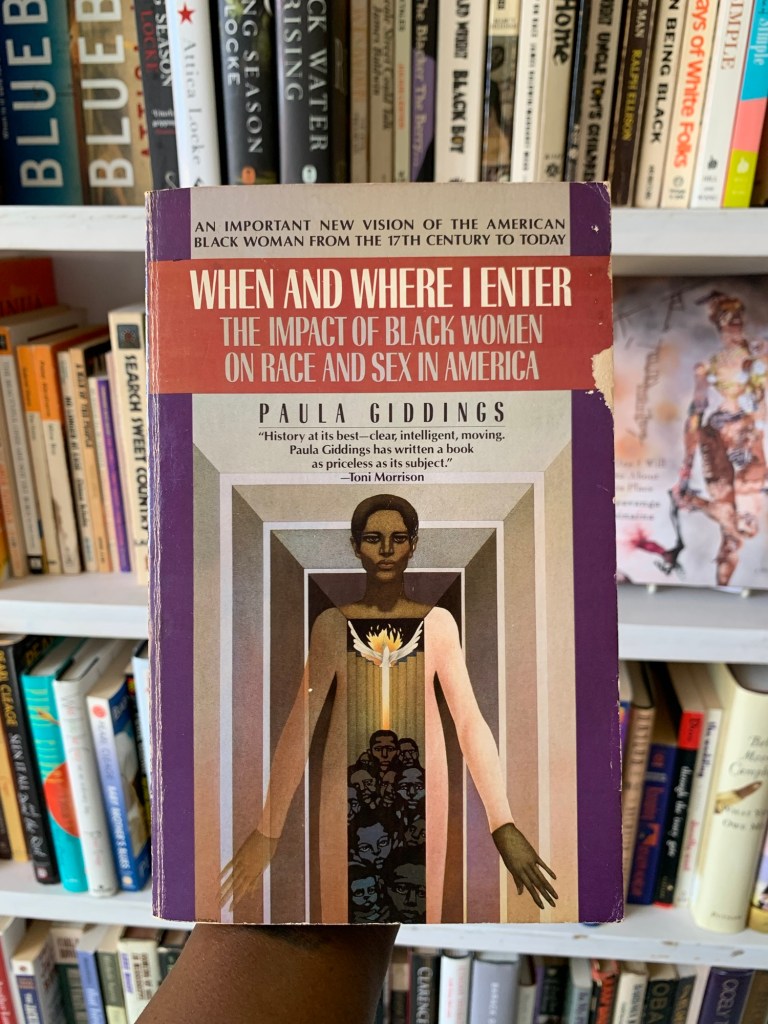

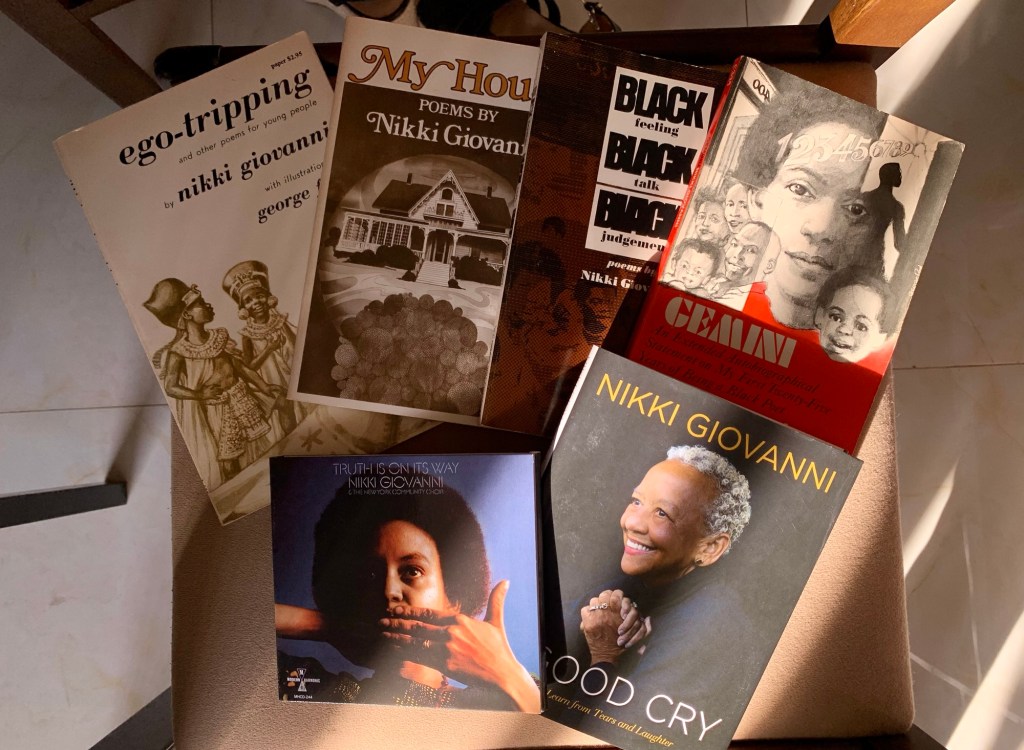
Seth Avusuglo says, “Ms Dola’s commitment to ensuring her books found their home in Africa at LOATAD has been nothing short of inspirational. Her lifelong pursuit of knowledge is evident in her collection, and she has gone out of her way to ensure the legacy of Black scholarship is preserved and made accessible to future generations.”
The collection includes various sections, such as books by women’s authors, featuring a significant collection of works by acclaimed poet Nikki Giovanni; fiction by writers such as James Baldwin, Bebe Moore Campbell, and Walter Mosley; a collection of Peral Cleage plays and essays, contemporary fiction and nonfiction by Attica Locke and Tembi Locke; and a focus on religion, in particular, Black and African spirituality.
There are also books by postcolonial African and contemporary Caribbean authors, as well as texts on African philosophy, pre-colonial history, and Pan-Africanism.
To consult Ms Dola’s expansive collection, book your visit to LOATAD today. Read an essay by Ms Dola Young about her life in books and the creation of this special collection below.
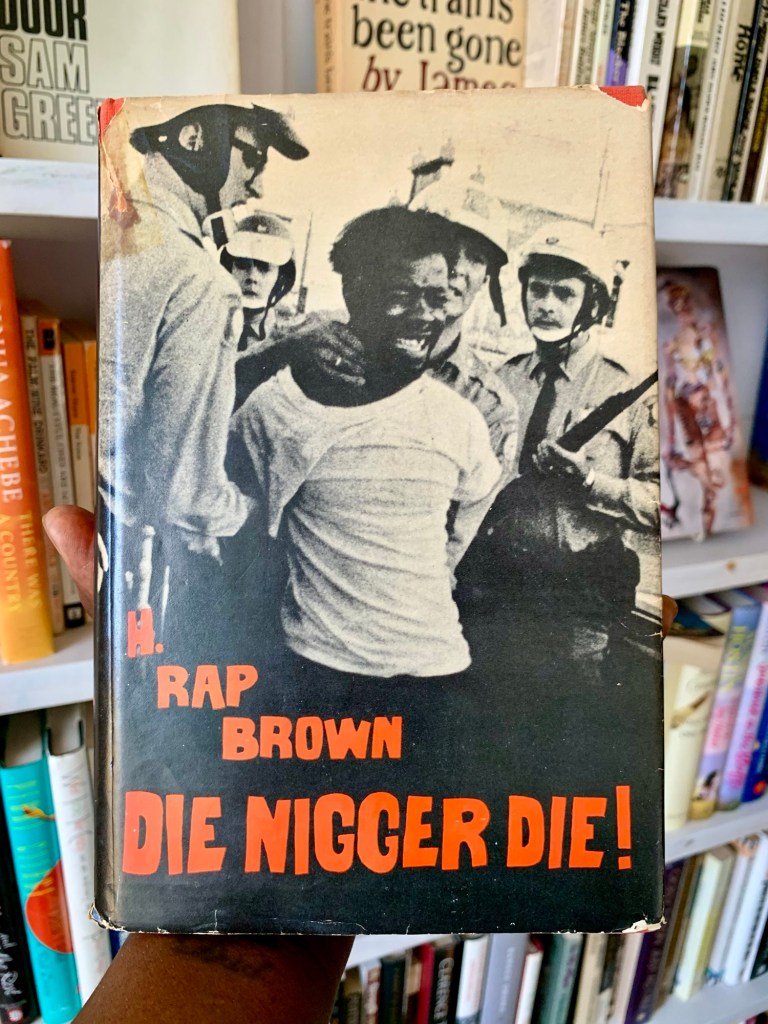

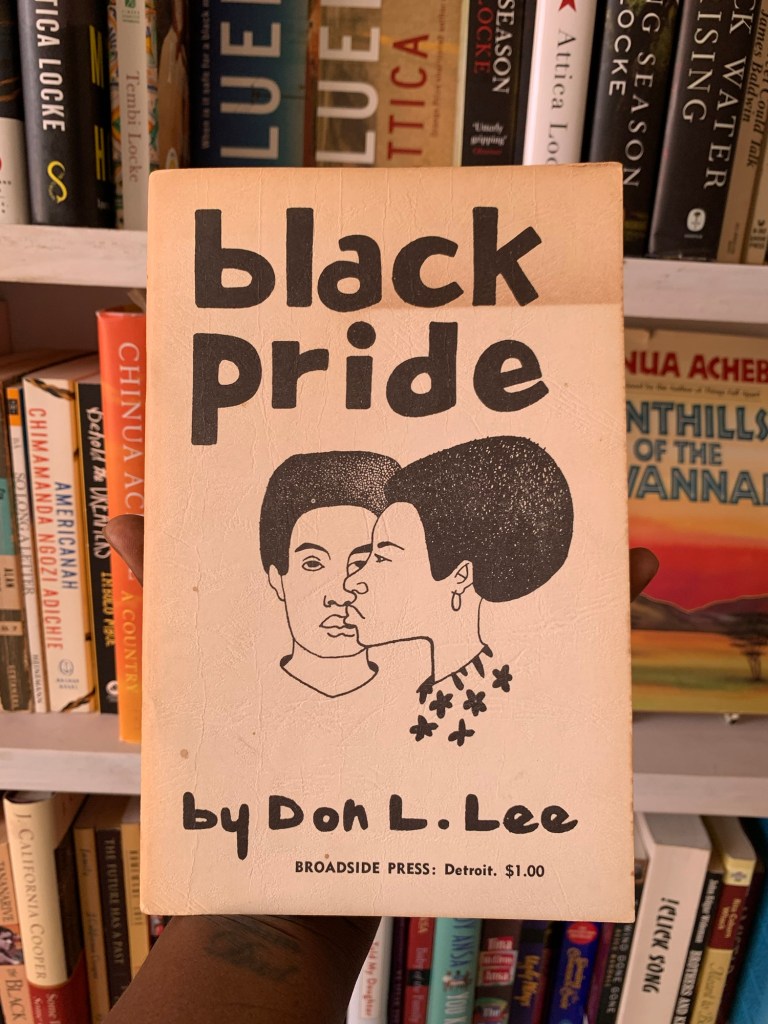

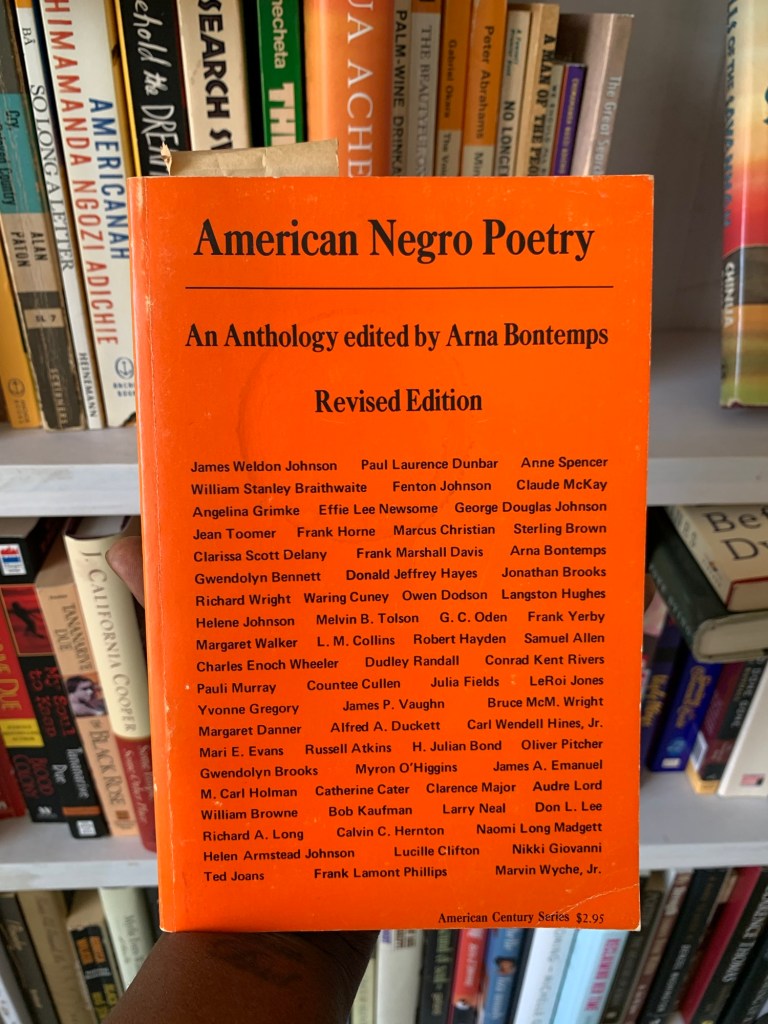
About Ms Dola Young (in her own words)
“A house without books is like a room without windows”
Henry Ward Beecher
I think my love for books began while I was in the womb. My mother completed one year of college and had to leave because of the expense. So, she returned home and got a job with the intention of saving money to continue her education. My maternal grandmother often told the story of how my mother would come home from work with books that she had bought. My mother even came home one day with a globe. My grandmother asked her what she was going to do with all the books and now a globe. My mother’s response: They were all for her children. I was born when my mother was 25 years old, and she taught us (my younger sister and me) to read before we started school. My earliest memories are of books in my life and how they captivated me.
Growing up, we did not have the money to spend on books. I do, however, vividly remember the Christmas when I was nine years old. Most of my presents were books, and I was ecstatic! It was at this point that I began going to the public library each and every Saturday. There was a limit on the number of books that children could check out. I checked out the allowed maximum number of books each week, read all of them, returned them the next week, and was ready to check out more books. The librarians in the Children’s Room all knew me and often suggested books for me to read. That influenced me to read a wide variety of topics.
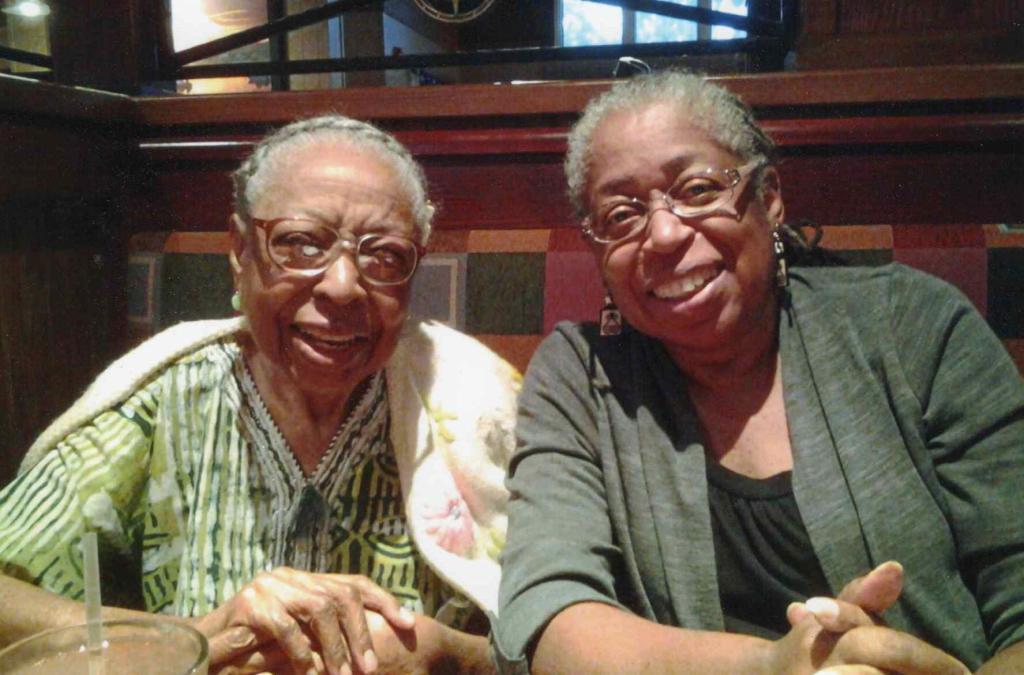
As a college undergraduate student, I loved reading, and that’s when I started keeping some of the books that I had enjoyed the most. I studied French and Russian as an undergraduate, and we were required to read books on the culture, as well as complete grammatical exercises. Reading about culture awakened in me a desire to travel and experience these cultures. At the same time, history was changing in the U.S. as well as globally. My curiosity was aroused. And almost by accident, in the middle of my undergraduate years, I received the opportunity to live with a Swiss family for the summer. Before making that trip, the only thing I knew about Switzerland was that it had never participated in a foreign war. I had learned that from playing games with my mother and sister using a booklet that came with the world globe my mother had bought long before my sister and I were born. Before going to Switzerland, I read everything I could get my hands on about life in Switzerland, i.e., the history, religion, food, languages, housing, maps of the country, etc. While in Switzerland, I became aware of the mentality that had been instrumental in maintaining Swiss neutrality! That summer was truly a pivotal moment in my life. Upon my return, an acquaintance introduced me to James Baldwin’s essay “Stranger in the Village,” as my description of life in Switzerland as a Black person was similar to Baldwin’s experience. During my undergraduate years, I also began reading more about African countries as they struggled to gain independence from their oppressors. And Black liberation here in the U.S. had taken hold. All these things had an impact on my reading choices. Meanwhile, my interest in languages continued to grow. A short introductory course in linguistics led me to pursue a master’s degree in linguistics at the graduate level. The program opened my mind to African languages and cultures. I studied Swahili. I learned that my family had unknowingly given me a Yoruba name at birth. As a graduate student, I spent a considerable amount of time casually browsing the library’s shelves. That was how I discovered a book entitled Africanisms in the Gullah Dialect. My reading choices began to focus on books that would expand my knowledge of Africa and its connections to my own life. Once I was out of school and employed, I had money to buy books and didn’t have to hang out in libraries!
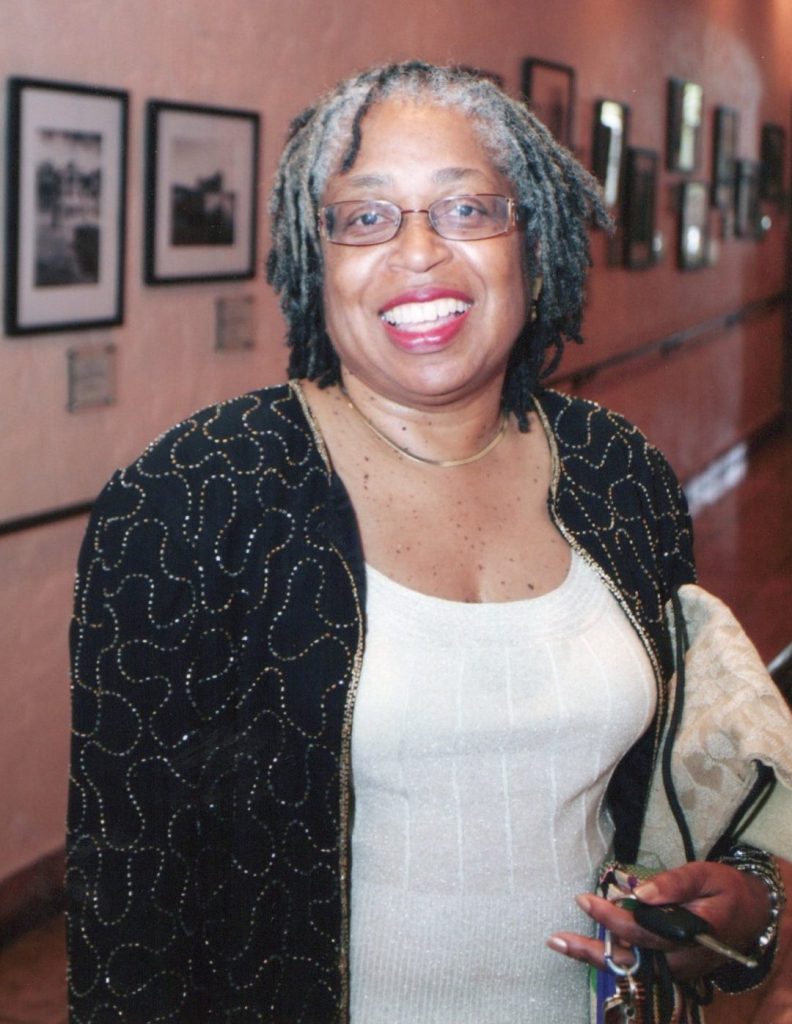
Upon completing the master’s degree, I decided to apply that knowledge in practical ways. I ended up teaching academic English to international students at the university level. That led to my being selected to participate in a teacher exchange where I spent a summer teaching English to engineers in Algeria. The following year, I participated in another teacher exchange where I taught English to engineering students in Paris, France.
Fast forward, and I became interested in possibly studying law. And I “jumped ship” and began law school. I entered law school with the idea that I was too introverted to do trial work and that I needed jobs that allowed me to focus on reading and writing. By this time, I had caught the international travel bug. I joined the International Law Journal staff at my law school and ultimately was selected as the Editor-in-Chief of the journal. One of the requirements was to write an article on a topic of your choice. I had no idea what I would write about – only that it would be something that involved Africa. After much searching, I discovered a conflict unknown to me, a maritime boundary dispute between Nigeria and Cameroon. That became the subject of the article I wrote, which was published in the journal.
After graduating from law school, I had a 25-year career in law. I found myself not just reading and writing but also doing trial work. Yes, you can be “introverted” and do trial work! You can also, as I did, argue a case before the U.S. Supreme Court. I am now retired. I finally made my first trip to sub-Saharan Africa while I was still practising law. That first trip was to Ghana. Since then, I have travelled extensively in Ghana. I have also travelled to South Africa, Cameroon, Botswana, and Rwanda, in addition to the earlier travel to Algeria and Tunisia. After retiring, I took a course in integrative nutrition and became a health coach. I hope to eventually apply that knowledge in some capacity in Africa.
All the while I was pursuing academic work, I continued to seek out and read books on all aspects of Africa and the African Diaspora. I joined book clubs, and the books I suggested were well-received. Throughout my life, I never intended to build a collection of books. I simply wanted to have the knowledge nearby and available to share when needed. My house has been full of books that opened windows to the world, and for that I am eternally grateful. But more importantly, I am grateful for the placement of these books in the Library of Africa and the African Diaspora.
If you would like to donate a collection of books and/or ephemera by African and/or African Diaspora writers to LOATAD, please email info@loatad.org. We’d be delighted to hear from you!
All images courtesy of Ms ©Dola Young.
 Library Of Africa and The African Diaspora