
Overview
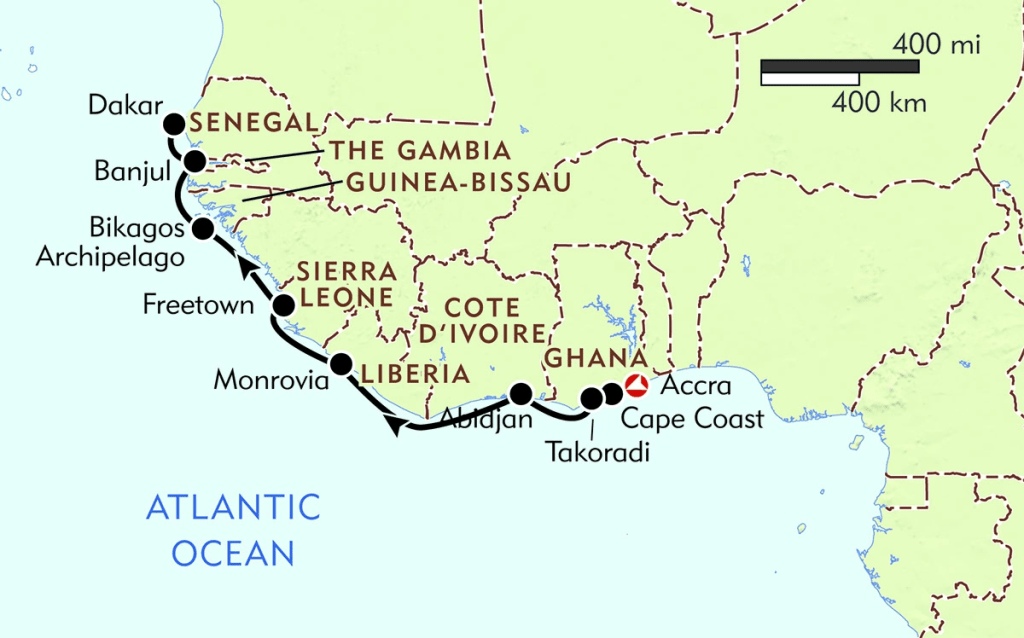
Library Of Africa and The African Diaspora (LOATAD), in collaboration with the Harambee Organisation of Black Unity (UK), invites applications from writers and visual artists across West Africa for a landmark creative residency: an 18-day, 3,000-kilometre journey from Accra to Banjul and back, beginning April 2026.
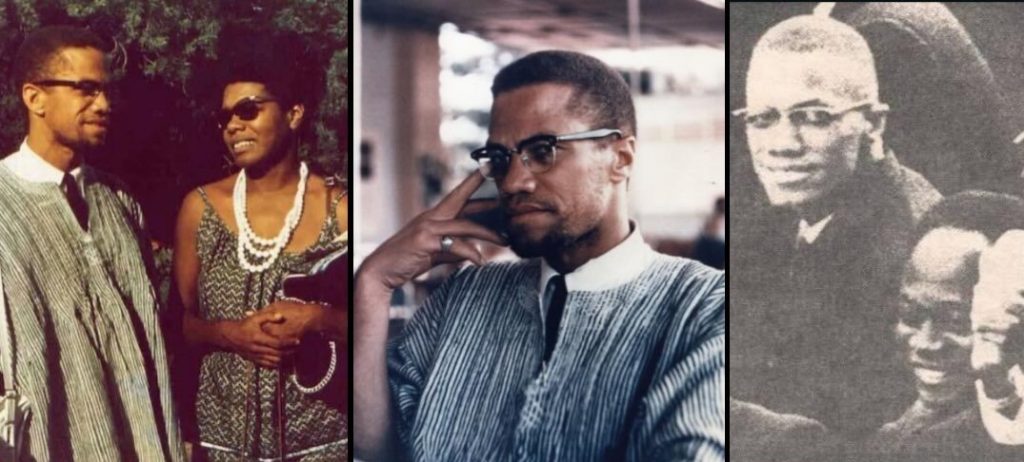
This is not a road trip. It is a radical act of listening, seeing, movement, and memory. Sixty-two years after Malcolm X stood in Accra calling for a global Black organisation, we retrace West Africa’s arteries—not as tourists, but as indigenous cultural cartographers. The residency precedes the Convention of Afrikan People (CAP26) in The Gambia, grounding its political vision in lived experience and creative reflection.
Selected residents will travel through Ghana, Côte d’Ivoire, Liberia, Sierra Leone, Guinea, Guinea-Bissau*, and Senegal, engaging with local histories, landscapes, and communities. Along the way, they will respond to curated prompts, gather stories, and produce creative work that will be shared in Banjul and later published in a Pan-African anthology and travelling exhibition.
* N.B. Due to the changing political and security situation on the ground in the region, alternative travel arrangements may be made.
We seek:
- Writers
- Visual artists
- Musicians and sound artists
Applicants must:
- Be based in and a citizen of a West African ECOWAS nation, including Mali, Burkina Faso, Niger and available for the full residency period (18 days in April 2026)
- Demonstrate a strong creative portfolio and interest in cross-border engagement
- Be physically and medically able for overland travel across multiple borders
- Be open to collective reflection and public sharing of work
- Be over 21 years old
- Have a valid West African passport
We will cover transportation, accommodation, border fees, insurance, and daily stipends. Residents must participate in pre-departure workshops and post-residency programming.
What is Expected of Residents
Residents must:
- Consent to photography, videography, and documentation of the creative process, and agree to the use of such materials for residency-related publications, exhibitions, and publicity.
- Commit fully to the entirety of the residency programme (18 days in April 2026), including pre-departure workshops and post-residency activities.
- Produce original creative work in response to the residency’s theme and journey.
- Writers: a text between 2,500 and 10,000 words.
- Visual artists: a body of work (photography, videography, painting, sculpture, or mixed media) suitable for exhibition and publication.
- Musicians and sound artists: compositions, recordings, or soundscapes that reflect the residency experience.
- Contribute work for inclusion in the Pan-African anthology and post-residency travelling exhibition curated by residency partners.
- Be committed to the objectives of the residency and use the time and space provided to advance their practice.
- Engage in both collective and individual processes, including critique sessions, workshops, and collaborative reflection.
- Participate in public events in Banjul, sharing work with wider audiences.
What Residents Receive
- Transportation for the full 3,000-kilometre journey from Accra to Banjul.
- Coverage of one-way flight for each resident, either to Ghana before the residency begins or from Banjul at the end of the residency.
- Accommodation throughout the residency (shared and modest lodging along the route).
- Coverage of border fees and travel insurance.
- A daily stipend of $35 USD to cover meals and incidental expenses.
- Participation in pre-departure workshops and post-residency programming.
- Opportunities to engage with local histories, landscapes, and communities across Ghana, Côte d’Ivoire, Liberia, Sierra Leone, Guinea, Guinea-Bissau, Gambia, and Senegal.
- Inclusion in a Pan-African anthology and a travelling exhibition showcasing work produced during the residency.
- Connections with fellow residents and cultural practitioners across West Africa, fostering collaboration and dialogue.
To Apply
To apply by Sunday, 4 January, 2026 by 10 pm GMT, submit:
- A short bio (max 250 words)
- A statement of interest (max 500 words) responding to the residency’s theme
- A writing sample for writers or a portfolio of your work
- Two references
PLEASE NOTE: WE WILL NOT ACCEPT LATE APPLICATIONS UNDER ANY CIRCUMSTANCES. SUBMISSIONS RECEIVED BY ANY MEANS OTHER THAN THE APPLICATION FORM WILL NOT BE CONSIDERED.

Application Questions
- Malcolm X became truly dangerous to the status quo when he connected the struggles of African Americans to those of Africans across the continent and diaspora. How does your creative practice contribute to this global narrative of Black unity and liberation?
- This residency involves long hours on the road—shared space, shifting landscapes, and unpredictable delays. What personal qualities or past experiences prepare you for the psychological and physical demands of this journey, especially in a tight space?
- Imagine sitting on a bus for 10 hours, crossing a border into a country you’ve never visited. What do you observe, feel, and record? What impact do you hope to make with your work?
- This residency is both a personal journey and a collective archive. What role do you see yourself playing within a group of artists travelling together to document and reflect on West Africa’s political and cultural landscape?
Terms and Conditions
- Participants must be citizens and residents of an ECOWAS nation (including Mali, Burkina Faso, and Niger), over 21 years old, and hold a valid West African passport with at least six months’ validity.
- Selected residents must commit to the full residency period, including pre-departure workshops and post-residency programming.
- Proof of medical fitness for long-distance overland travel may be requested prior to departure.
- Organisers will cover transportation, accommodation, border fees, insurance, and daily stipends. Personal expenses outside this scope are the responsibility of the participant.
- Residents are expected to respect co-participants, organisers, and communities encountered along the route. Aggressive, discriminatory, or disrespectful behaviour will not be tolerated.
- Conflicts must be managed through dialogue and mediation facilitated by residency coordinators.
- The use of illegal substances is prohibited. Alcohol consumption must not interfere with residency activities.
- Any unlawful behaviour or activity will be the sole responsibility of the participant.
- The residency involves long hours of travel, border crossings, and exposure to unpredictable conditions. Participants accept these risks as part of the residency design.
- Residents must disclose any medical conditions that could affect their ability to travel and remain responsible for their personal health and well-being.
- Creative work produced during the residency remains the property of the artist, but participants grant LOATAD, Harambee OBU or residency partners the right to reproduce, exhibit, and publish the work in residency-related publications and exhibitions, with full attribution.
- The residency will be documented through photography, video, and written accounts. Participants consent to their image and voice being used for residency-related publications and publicity.
- Withdrawal or termination of participation will end stipend and coverage; return travel may become the participant’s responsibility.
- Participants must comply with all border, visa, and customs regulations.
- Organisers are not liable for cancellations, delays, or modifications caused by events beyond their control, including political unrest, natural disasters, or public health emergencies etc.
About The Convention of Afrikan People 2026 (CAP26)
The Convention of Afrikan People 2026 (CAP26) is an event dedicated to bridging gaps between and strengthening connections among Black people worldwide. On 18-19 April 2026, The Gambia will host Afrikans from the continent and the diaspora to engage in meaningful conversations about education, health, economics, and politics/legal. Through dialogue and encounter, the convention aims at creating networks of support to help further and expand the work that is already being accomplished by grassroots organisations and individuals.
Partners
Harambee Organisation of Black Unity is a non-profit organisation established using the blueprint of Malcolm X’s Organization of Afro-American Unity. Based in Birmingham, UK and chaired by Kehinde Andrews, HOBU plans to set up chapters across Afrika and the Diaspora to support Black people globally in their quest for liberation, equity, justice and progress.
The Schomburg Center for Research in Black Culture in Harlem is one of The New York Public Library’s renowned research libraries. A world-leading cultural institution devoted to the research, preservation, and exhibition of materials focused on African American, African Diasporic, and African experiences, the Schomburg stewards a collection of over 11 million items.


NaSuuBa is a small Gambian-owned property rental company that has partnered with us to provide residents with suitable accommodation near the CAP 26 venue.
 Library Of Africa and The African Diaspora